September 2026 – Zaracha from Tsuwano

In Tsuwano (津和野町), a small castle town in the mountains of Shimane Prefecture (島根県), carp swim in the canals along the old streets, and every July two white herons dance through the town. This month we come back to an old favourite from Tsuwano: Zaracha (ざら茶), which we first shared with you in 2017.
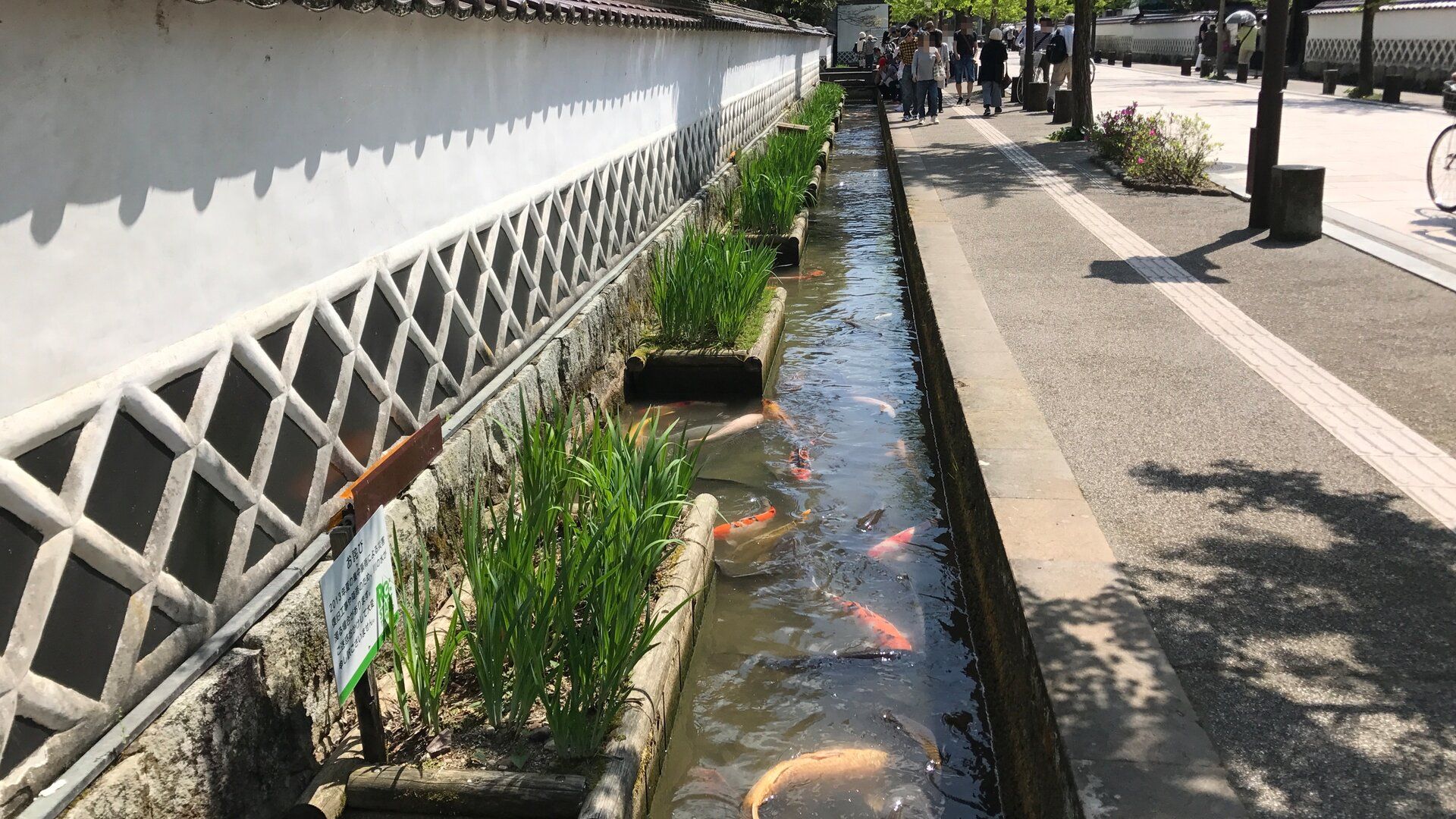
Waterway in Tsuwano by そらみみ, used under CC BY-SA 4.0 (cropped from original, shared under the same license).

A Tea in Name Only
Zaracha contains no tea at all. It is made from kawaraketsumei (河原決明), a legume that grows wild in clusters on riverbanks and roadsides. Its name tells the story: kawara (河原) means riverbed, and ketsumei (決明) is the sicklepod, whose seeds look much like its own. The plant grows 30 to 60cm tall, with feathery leaves, small yellow flowers and flat pods a few centimetres long.
Our Zaracha comes from Kōmien Kamiryō Chaho (香味園上領茶舗), a long-established Zaracha maker in Tsuwano, run today by our friends Rumi and Adrien. Contract farmers raise it with no pesticides during the growing season, and it is harvested at the end of August. The whole plant, stems, leaves and pods, is then dried, cut and roasted in Shimane. The result is a caffeine-free infusion with a toasty aroma and a gentle sweetness, drunk in this region since the days of the feudal lords.
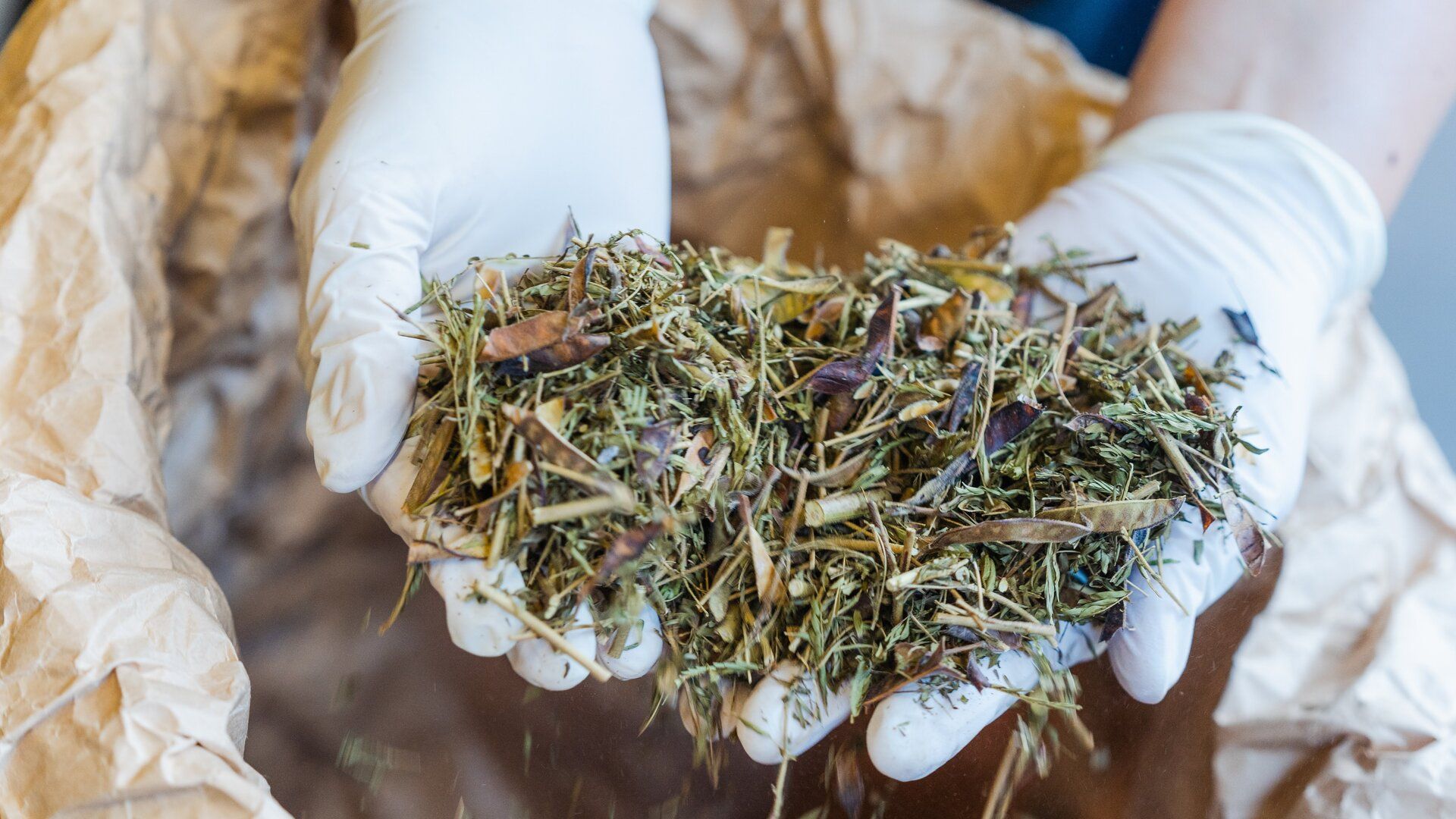
Photo by courtesy of the tea producer: Kōmien Kamiryō Chaho (香味園上領茶舗)
The Herons of Tsuwano
Every year on July 20 and 27, the Sagi-mai (鷺舞), or heron dance, accompanies the sacred palanquin of Yasaka Shrine (弥栄神社) through Tsuwano. Two dancers, a male and a female heron, wear white robes, white wings made of cypress boards, and a heron's head about a metre tall. Two baton twirlers with bright red hair and two dancers with small kakko (羯鼓) drums join them. Musicians play flutes, drums and bells, and the singers ask: "What bird has landed on the bridge?" At eleven spots around the town, the herons spread their wings and circle each other, until the male embraces the female from behind.
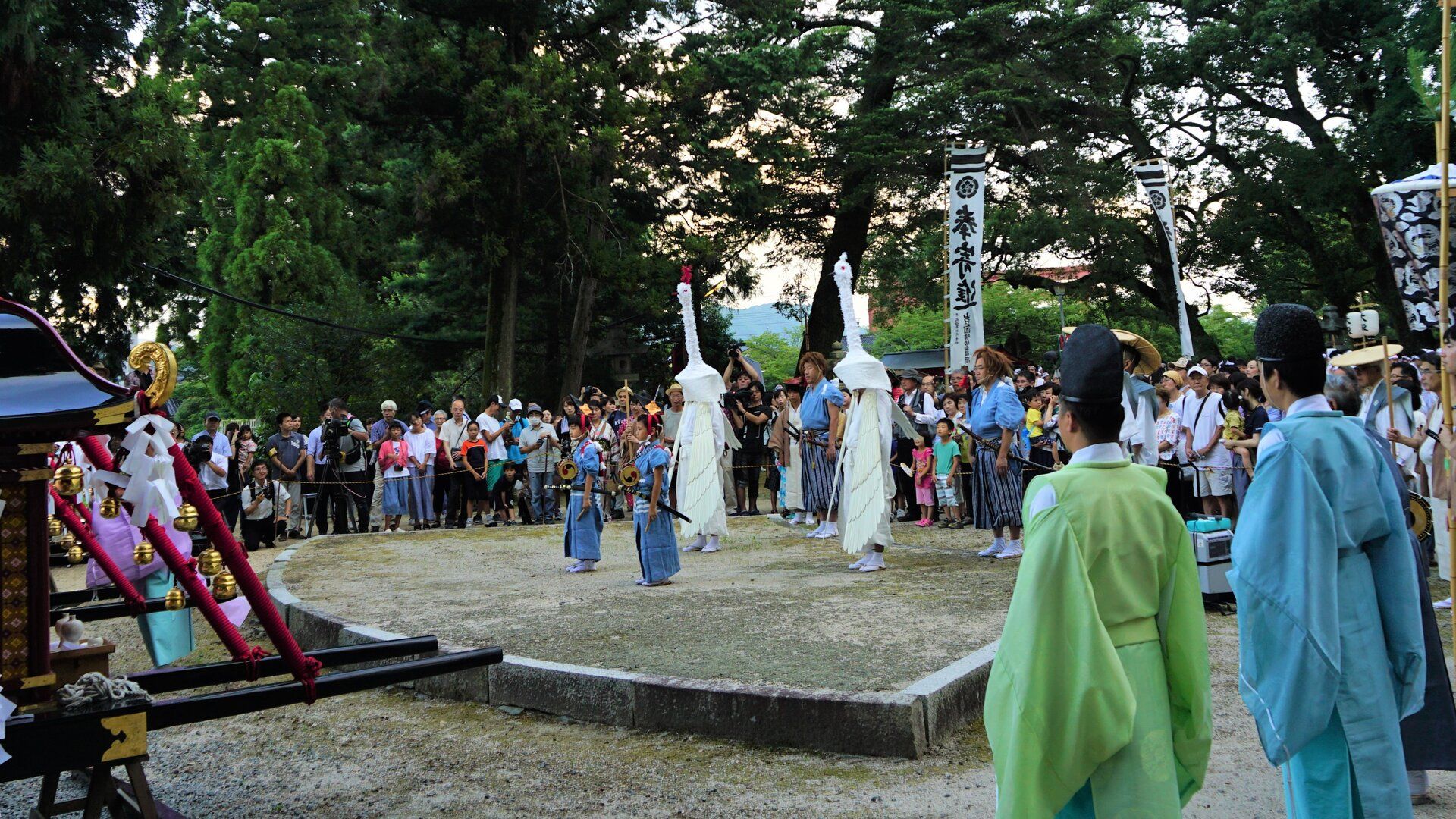
The heron dance at Yasaka Shrine in Yamaguchi by Maria-Yamaguchi, used under CC BY-SA 4.0 (cropped from original, shared under the same license).

The dance was born at Kyoto's Gion festival (祇園祭). In the Muromachi period, the Ōuchi clan (大内氏) brought it to Yamaguchi, and from there it reached Tsuwano in the 16th century. It later fell out of use, and in the early Edo period Tsuwano learned it again, this time directly from Kyoto. Then the story reversed: in about 1955, Kyoto revived its own heron dance by learning it from Tsuwano. In 2022, Tsuwano's Sagi-mai was inscribed on UNESCO's Intangible Cultural Heritage list among Japan's Furyū-odori (風流踊) dances.
Brewing Zaracha
Zaracha is easy to prepare and very forgiving.
- Tea leaves: 8g (3 tablespoons)
- Water: 250ml
- Temperature: 100°C
- Steeping time: 3 minutes
Unlike green tea, Zaracha has nothing to fear from boiling water, so there is no need to let the kettle cool. You can steep the same leaves a second time; leave them a little longer.
To make a large batch, add a handful of Zaracha to 2 litres of boiling water, let it simmer for 3 to 4 minutes, then strain it. Served chilled, it makes a refreshing drink on warm days. As it has no caffeine, it can be enjoyed at any time of day, and it is a drink for the whole family, from babies to grandparents.
Enjoy!
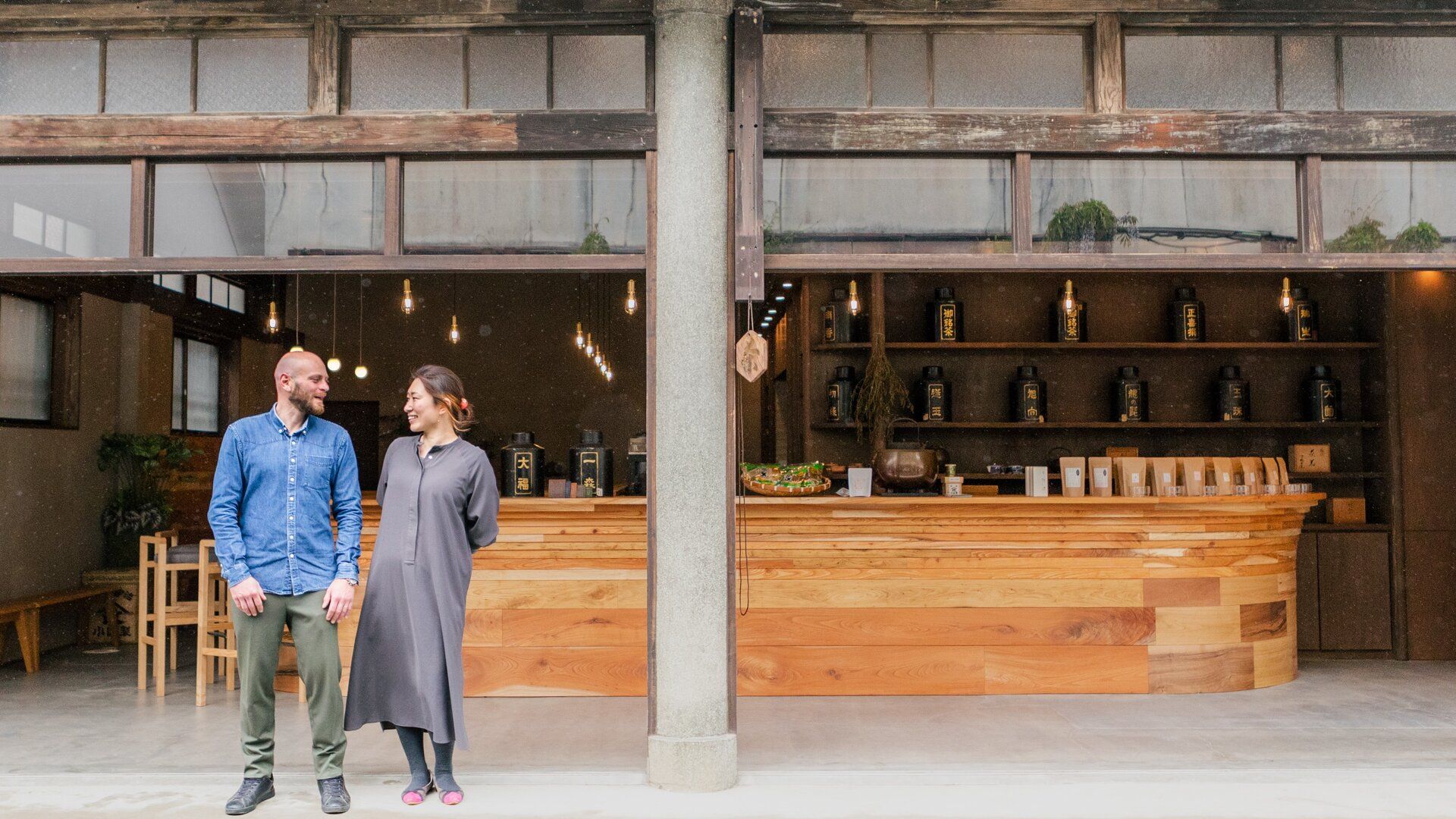
Photo by courtesy of the tea producer: Kōmien Kamiryō Chaho (香味園上領茶舗)