July 2026 – Shincha from Ureshino

Summer is here, and so is this year's first green tea, picked in the spring. We are back at Soejimaen (副島園) in Ureshino (嬉野), Saga Prefecture (佐賀県), a farm we have visited several times, most recently for a Shincha (新茶) in 2024 and last month's Wakōcha (和紅茶). This July, we bring you its 2026 Shincha, and the story of the Nagasaki merchant who first sent Ureshino tea to the world.
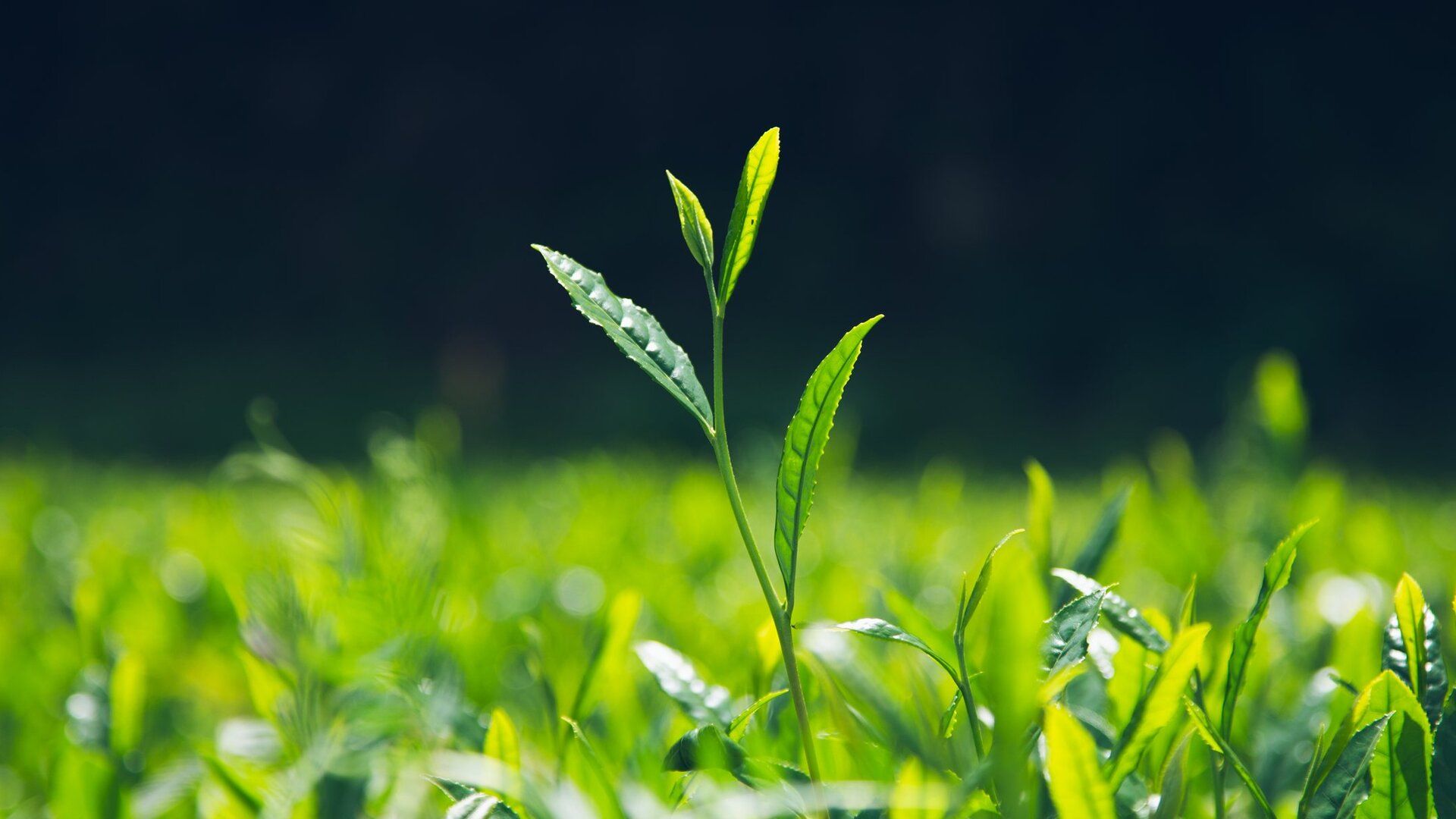
Photo by courtesy of the tea producer: Soejimaen (副島園)
Shincha and the Sweet Saemidori
Shincha means "new tea": the first leaves of the year, picked in spring after the bushes have rested all winter. At Soejimaen, the 2026 picking began on April 21. The harvest was small and the packs labelled Shincha sold out, but the farm's regular teas have switched to the new-season leaves.
This tea is one of them: Soejima Hitoshi (副島仁) sells it as his tokujō sencha (特上煎茶), his "superior sencha". It is built on Saemidori (さえみどり), a cultivar registered in 1990. Its parents are Yabukita (やぶきた), Japan's most widely grown tea plant, and Asatsuyu (あさつゆ), nicknamed "natural gyokuro" (天然玉露) because it tastes sweet even without shading. Soejima shades the bushes anyway before picking, making it a Kabusecha (かぶせ茶), then deep-steams the leaves. The result is a bright green cup, round, sweet and well balanced.
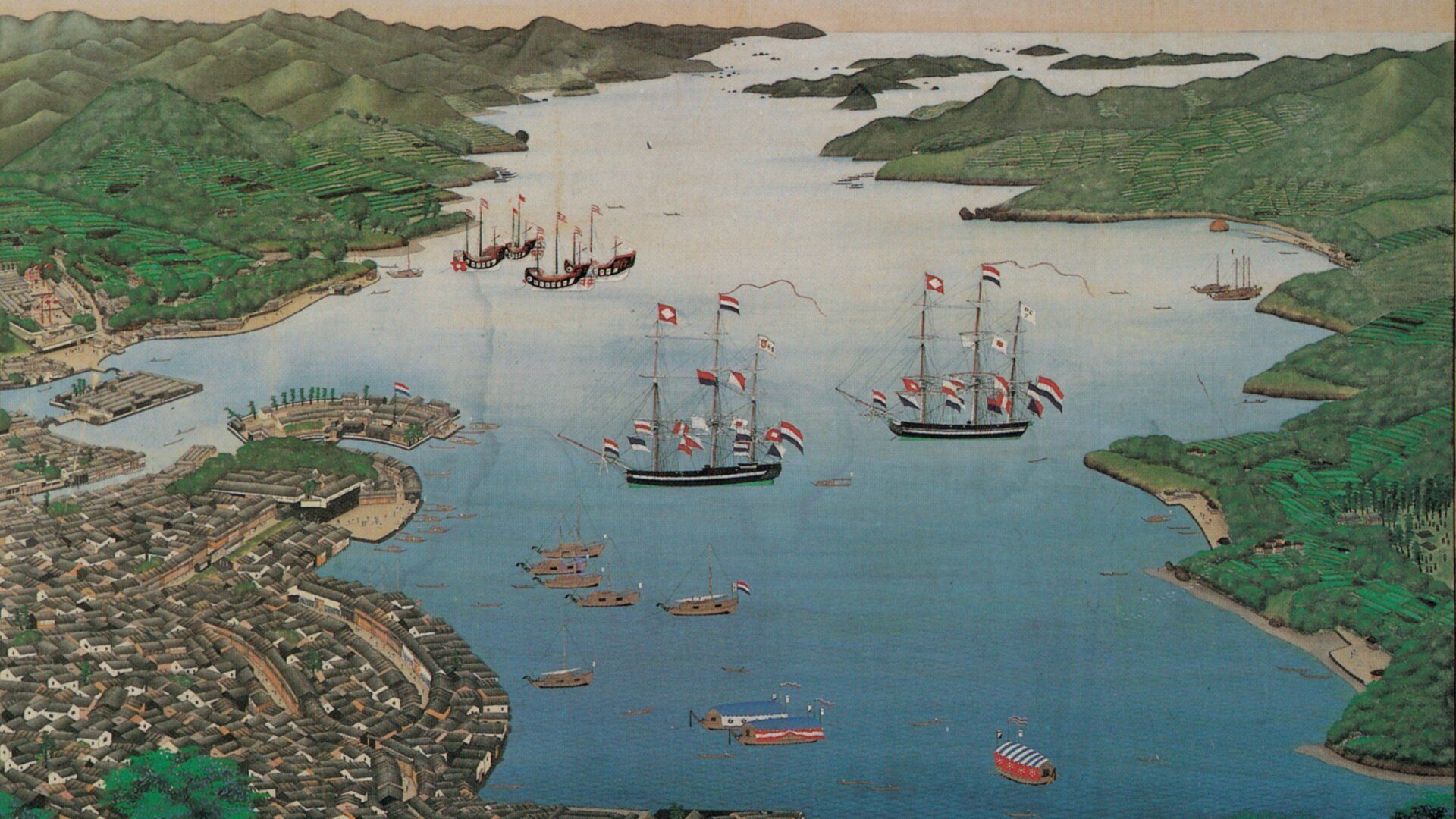
Nagasaki port map by Kawahara Keiga, public domain (cropped from original).

Ōura Kei, the Merchant Who Sent Ureshino Tea Abroad
In 1853, the year Commodore Perry's black ships reached Japan, a 25-year-old woman in Nagasaki (長崎) made a bold bet. Ōura Kei (大浦慶) came from an old family of oil merchants whose trade was failing, and she decided to sell tea instead.
Japan was still closed to most foreign trade, but Nagasaki kept a small window open: Dejima (出島), the island trading post of the Dutch. With the help of an interpreter, Kei handed samples of Ureshino tea to a merchant there, who sent them on to Britain, America and Arabia.
A few years later, a British trader, William Alt, came to Nagasaki and placed a huge order: 10,000 kin (斤), about six tons. Ureshino alone could not supply it, so Kei gathered tea from all over Kyūshū (九州). That shipment is often counted as the start of Japan's large-scale tea export trade.
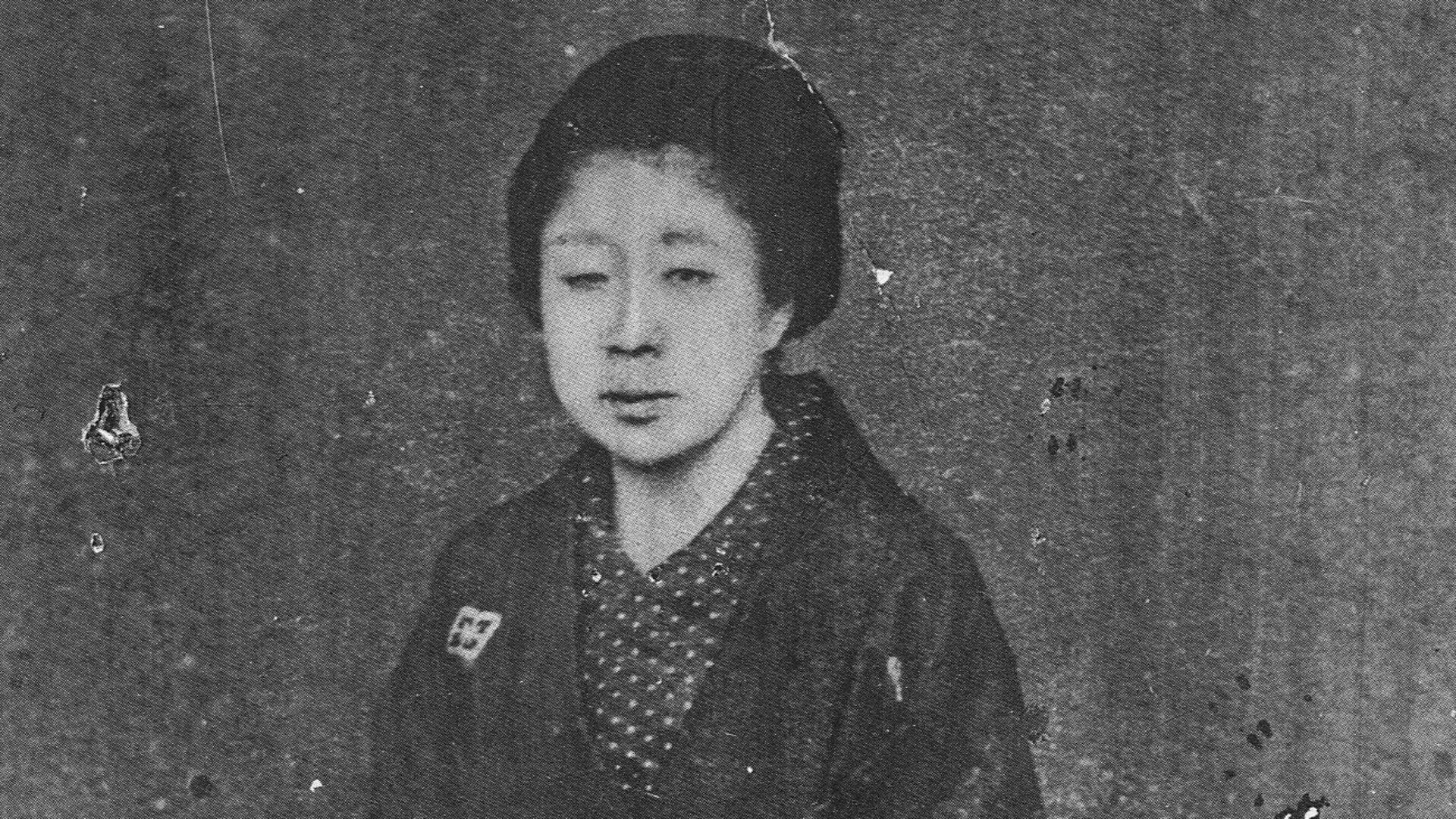
Ōura Kei, photographer unknown, public domain (cropped from original).

Kei grew rich and supported young samurai such as Sakamoto Ryōma (坂本龍馬). In 1872 she lost a lawsuit over a tobacco deal she had guaranteed, which had turned out to be a fraud, and paying the debt cost her much of her fortune. Still, in 1884, the year she died, the government honoured her as a pioneer of Japanese tea exports.
Brewing Shincha
Saemidori rewards patience: the producer recommends a low temperature and an unhurried steep to bring out its full flavour.
- Tea leaves: 3g (about 1½ teaspoons)
- Water: 150ml
- Temperature: 60°C
- Steeping time: 60 seconds
Without a thermometer, pour the boiled water from cup to cup: each pour cools it by roughly 10°C, so four or five pours bring it close to 60°C. Deep-steamed leaves are small and broken, so they open quickly: for a second infusion, use slightly hotter water and a shorter steep, about 20 seconds.
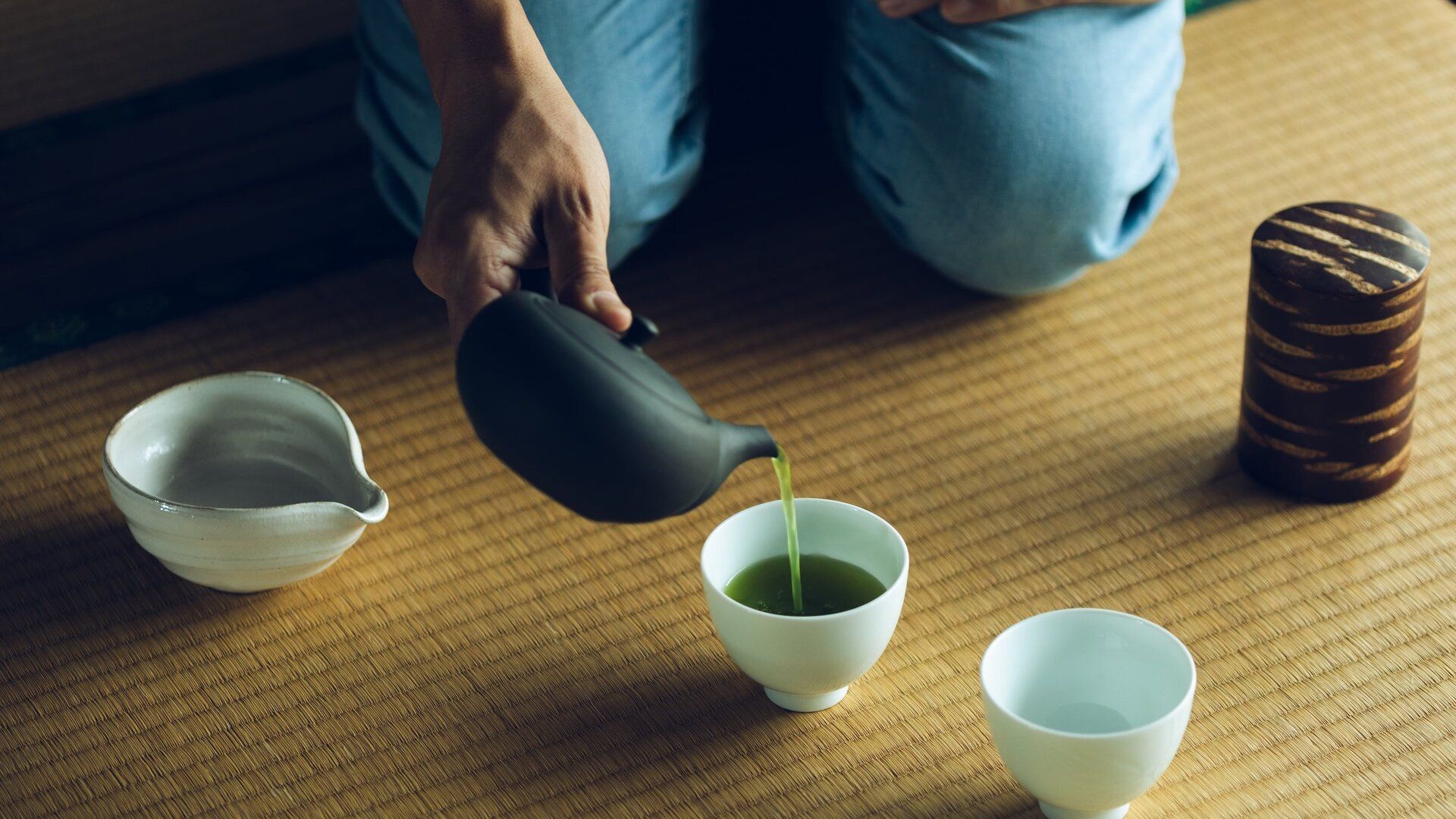
Photo by courtesy of the tea producer: Soejimaen (副島園)
On hot July days, try it cold: put about 10g of leaves in a litre of cold water and leave it in the fridge for three hours before straining. The cup will be soft, sweet and mellow.
Enjoy!